

Ten years ago, the Community Land Trust (CLT) was still taking shape. The concept stemmed from a vision rooted in the belief that housing could be protected for the long term, held in community hands, and insulated from the volatility of the market. The only missing element was that it needed an opportunity to move from idea to action.
Such an opportunity arose when the City of Vancouver called for new approaches to address the growing demand for affordable housing. CLT stepped forward. Working with Terra Housing and supported by Vancity, the CLT secured four sites that would become Fraserview Towers, Tikva, and The BRice. These first 358 homes demonstrated something important. A community-owned and community-governed organization could develop housing, and they could do it at scale.
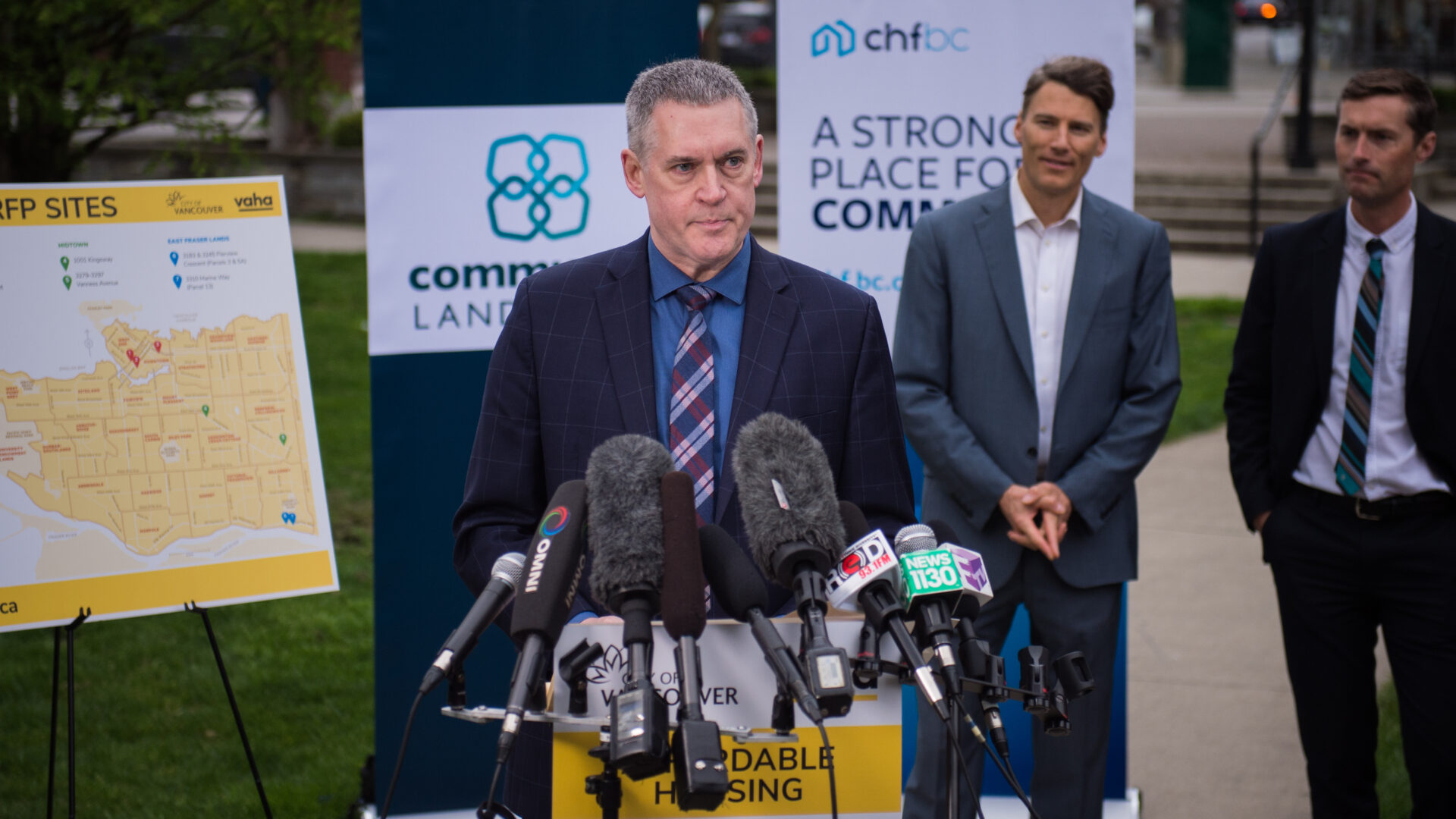
At the time, the largest investment of municipal land into the community housing sector in the city’s history.
Photo courtesy of Community Land Trust
“That was the first demonstration that a sector-owned entity could function as a social-purpose real estate developer.” Chief Executive Officer Thom Armstrong reflects.
Growing an Ecosystem, Not Just Buildings
The years that followed brought more opportunities and more responsibility. The City of Vancouver entrusted CLT with additional sites, and new partnerships began to take shape. The work expanded from protecting co-op homes to developing new ones, guided not by market cycles, but by long-term affordability and community stewardship.
However, such growth also came with its challenges. Namely, credibility and capital. Early stages of development require upfront capital that social-purpose organizations often struggle to access, and traditional loans were difficult to secure for a new unproven model of development. “Nobody believed the co-op and non-profit sectors could be housing developers at scale,” says Thom. “You have to prove yourself every day.”
Despite this, CLT kept building. As the work grew, it helped spark a broader network of community land trusts across Canada. Together, these trusts strengthened shared learning, collaboration, and a collective voice within national housing discussions.
The approach focusing on permanent affordability, held in trust and delivered at scale, has become increasingly recognized as both viable and necessary.
In a full circle moment, Gregor Robertson, now Canada’s Minister of Housing and Infrastructure is once again a key partner in this mission.
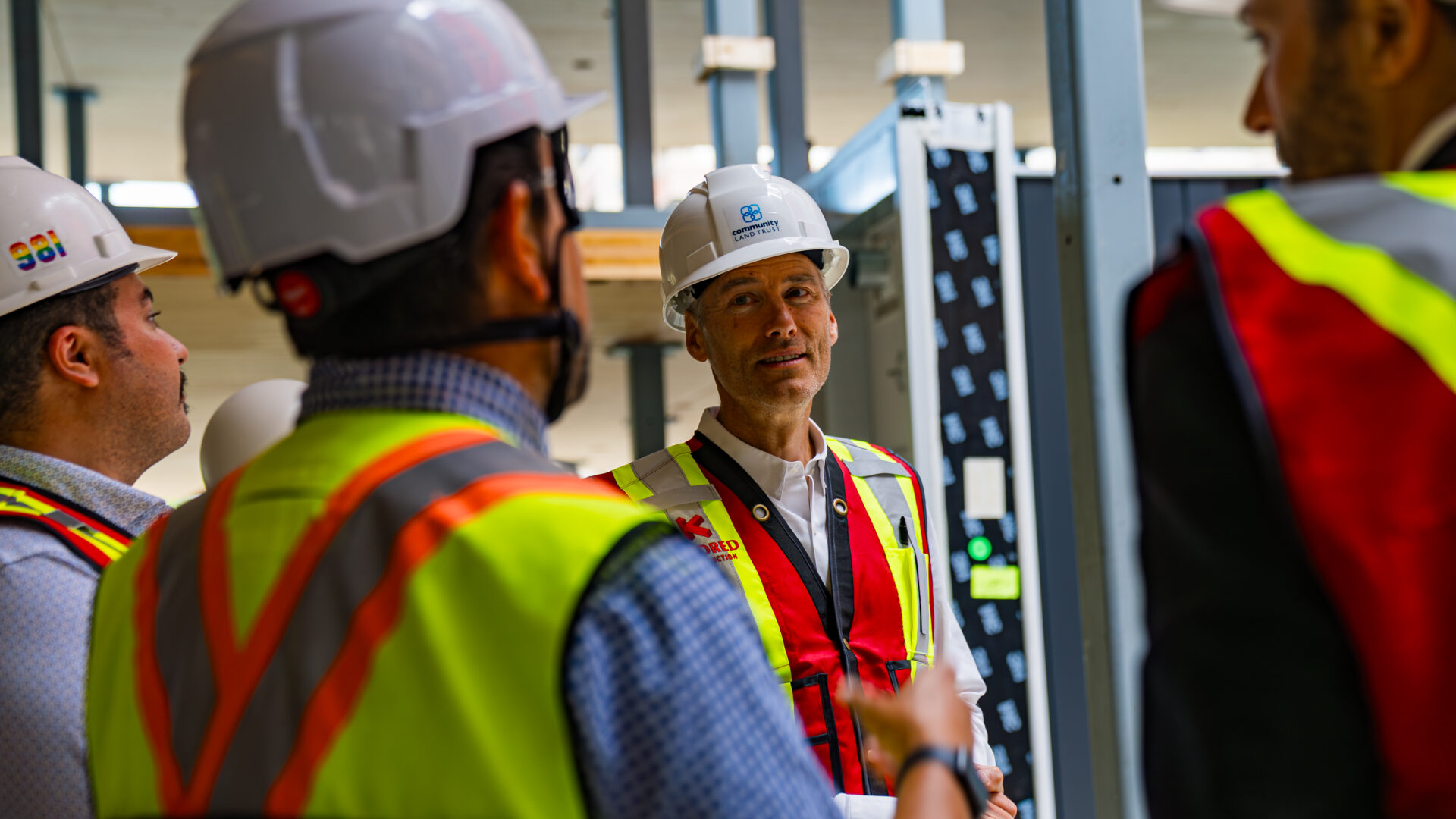
Photo by Vasc Media
“Huge congratulations to Community Land Trust for ten years of building thousands of affordable homes in BC,” says Minister Robertson. “The CLT model is ready to scale across Canada to create affordable housing at unprecedented levels.”
The Real Proof Is in the Lives Within These Homes
In the early years, much of CLT’s work was about establishing trust and demonstrating that this approach could succeed. Today, there are no questions. Thousands of people now live in homes built or stewarded through CLT. They are families, seniors, students, workers, and caregivers. All of these vital community members needed stable, permanently affordable housing so they could ground themselves and move forward in their lives. “There are thousands of people living in the homes we’ve built, in communities we’ve created,” says Thom.
For residents, the impact is deeply personal,
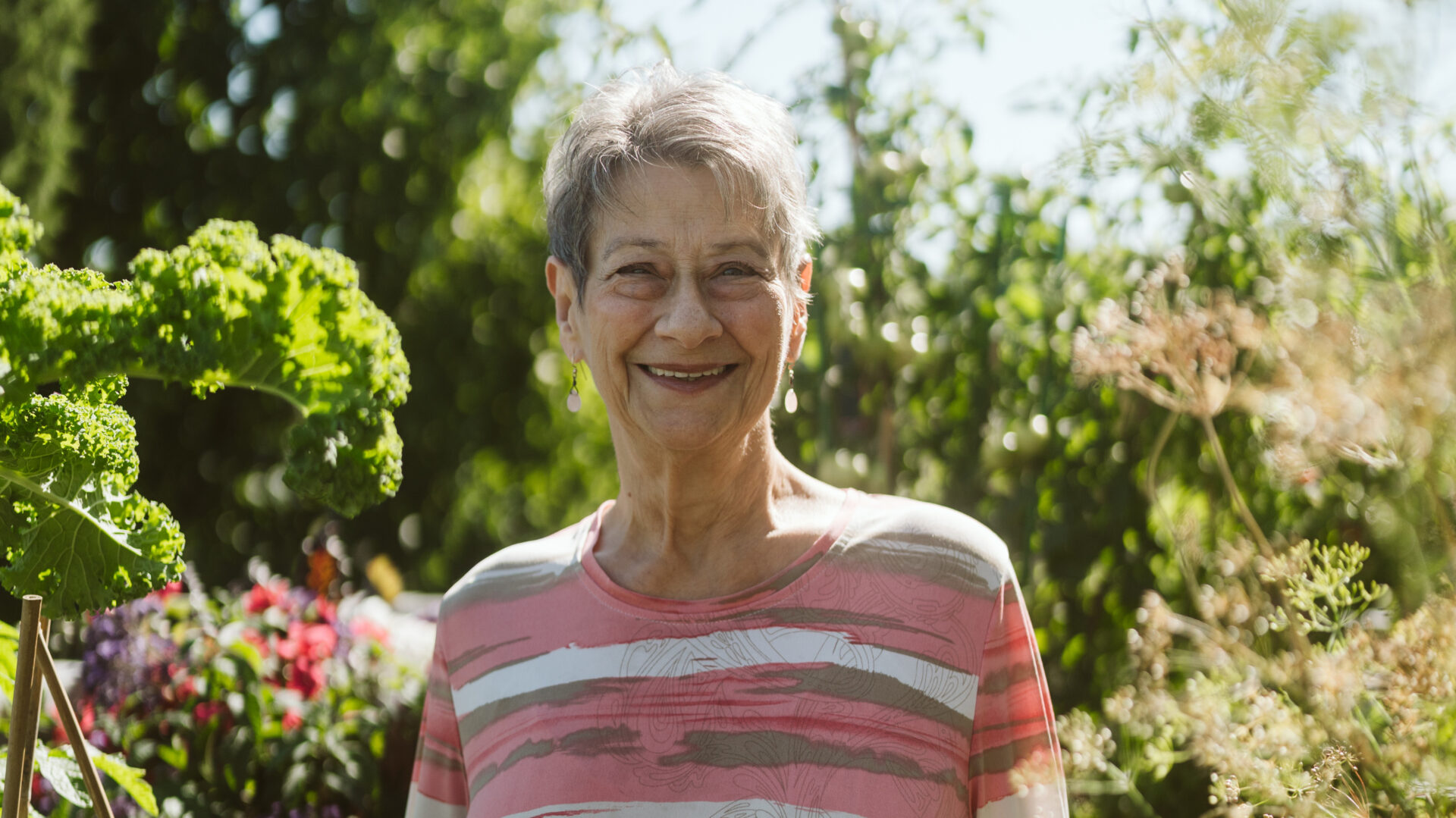
Photo by Brand Deepwell
“I think all co-ops are special,” says Carol Sutton, a member of North Arm Housing Co-op, a 55+ community with a senior centre on the ground floor. “The way it becomes a home is when you feel there are people around you who support you.”
The stability, connection, and sense of belonging these communities foster remain CLT’s clearest evidence of impact.
Looking Ahead: A New Decade of Growth
Today, CLT oversees a $1.25 billion portfolio of over 3,000 homes, with over 1,000 more currently in development. The work continues under the leadership of new Executive Director Monica Morgan, who is helping guide the organization into its next phase.
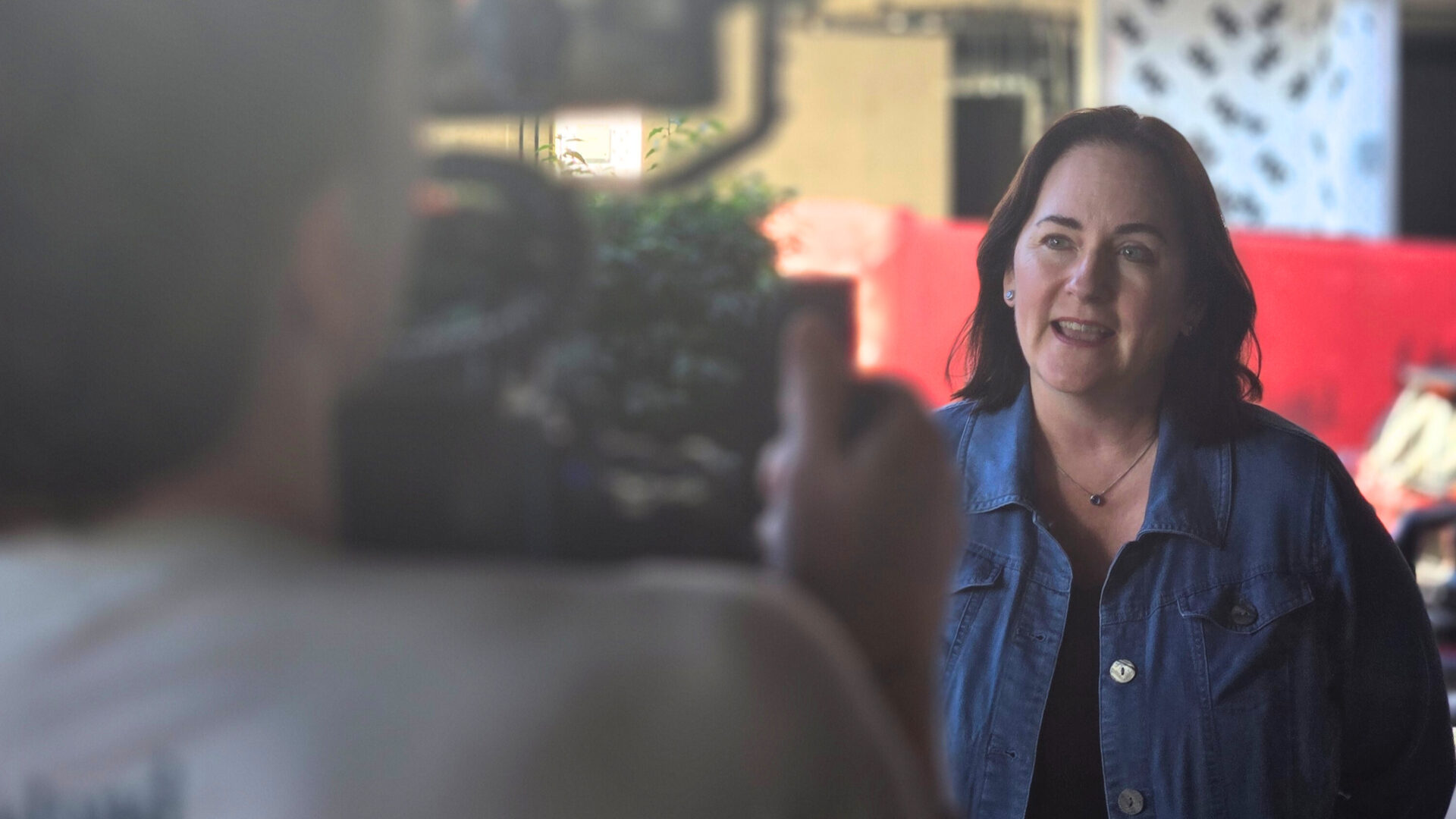
Photo by Lisa Melton
“While I bring decades of experience in working with government partners on large scale development projects in and around Vancouver, as a former housing co-op member myself, I am eager to work with the amazing team at CLT to make co-op living possible for more British Columbians”
CLT approaches the next decade with a proven track record of success as a developer and housing provider and community builder. The years ahead will continue this evolution, strengthening and expanding community-owned housing assets to maximize social impact, continuing to meet the mission of building communities that people are proud to call home.
Monica concludes, “The next five to ten years will be a period of continued growth for the CLT, and I’m excited to see what that future holds.”
10th Anniversary Series: Read the second article, ‘How CLT Stewardship Builds Security Over Time‘
10th Anniversary Series: Read the third article, ‘How CLT Communities Evolve Over Time‘